
 ATOL protected 11889
The Travel Lounge, 5 Church Street, Cobham020 3443 8969

Expedition cruising · Galápagos and the polar regions
Expedition cruises
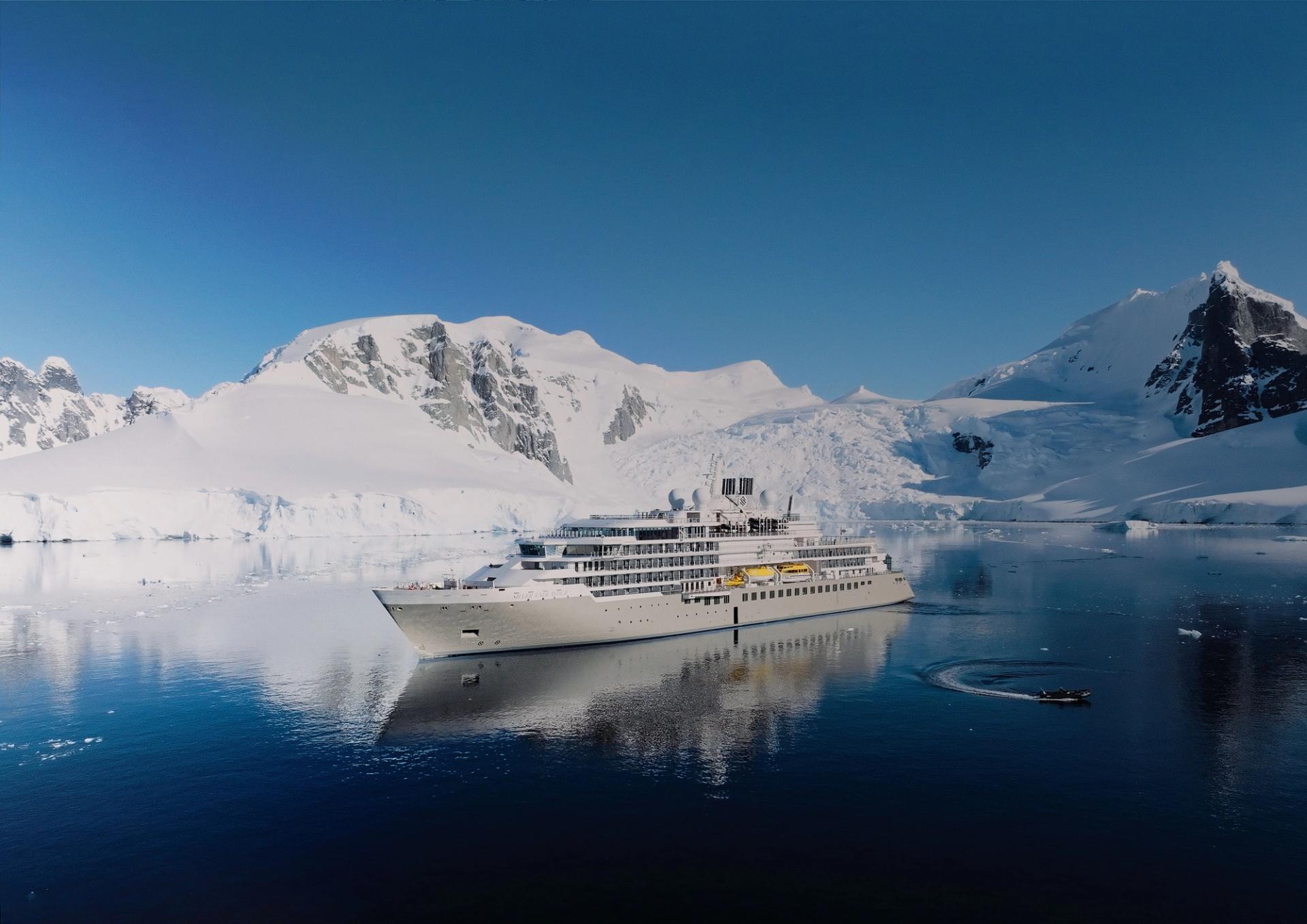
Small ships, expert naturalists and Zodiac landings in the Galápagos, Antarctica and the Arctic.
Expedition cruising is the most rewarding way to reach the wildest places on earth, and the kind of trip where the right ship and the right week matter most. We match you to the voyage, then look after the flights, hotels and kit around it. Booking with us costs the same as booking direct with the expedition line.
How it works
Every day is planned around the wildlife
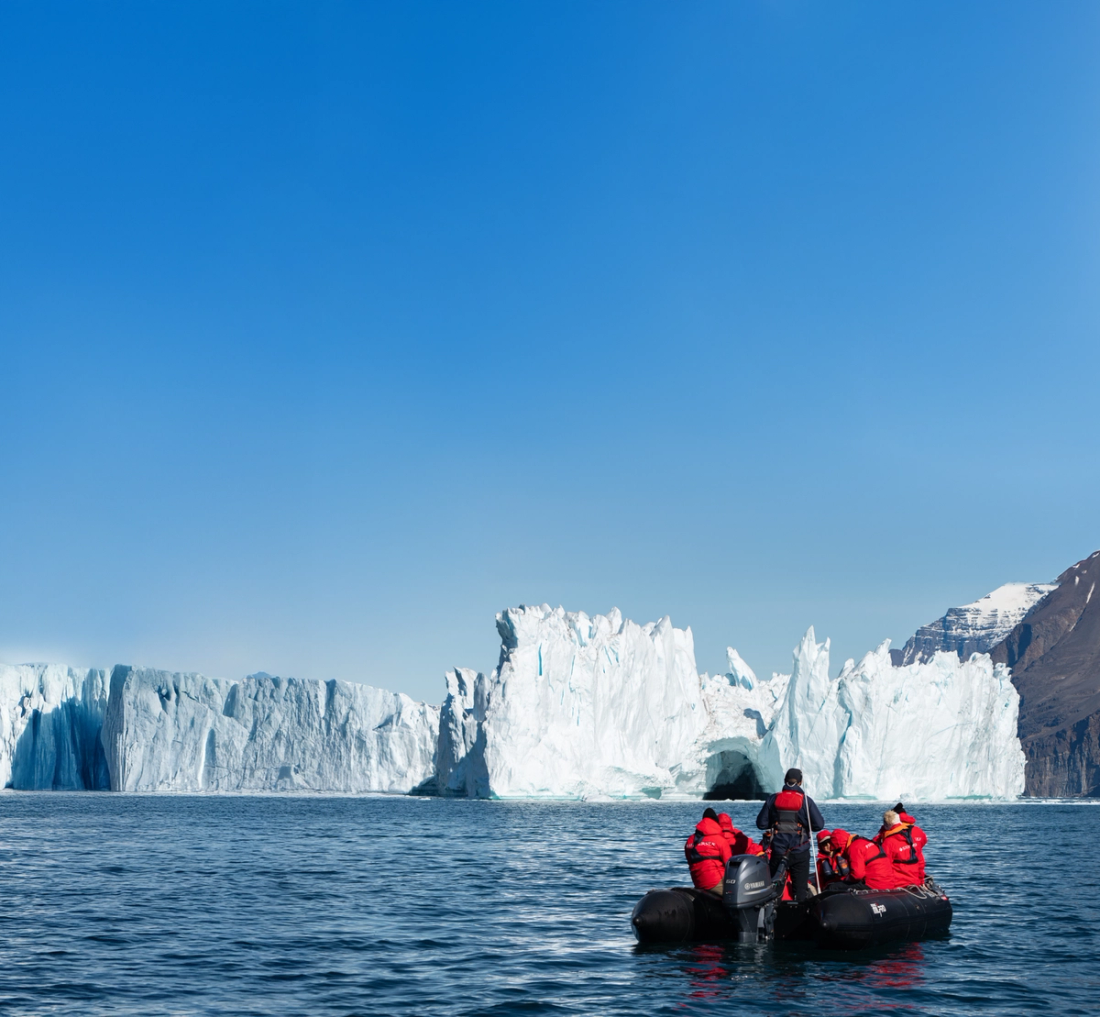
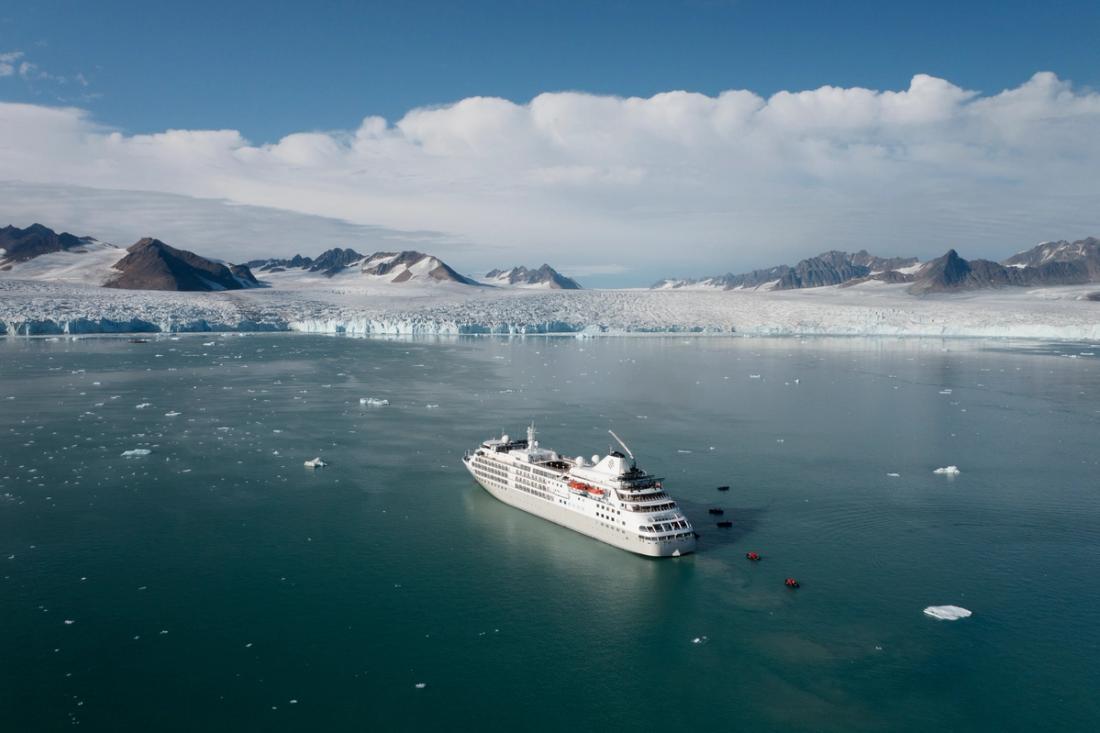
Expedition ships follow the weather, the ice and the animals. Each morning the expedition team chooses where to land, and Zodiacs take small groups ashore or along the ice edge with a naturalist guide.
Experts sail with you, from naturalists and geologists to photographers, with talks on board and a recap every evening. The smaller the ship, the more time you spend ashore: in Antarctica, ships carrying more than 500 guests cannot land at all.
- Zodiac landings and cruising with expert guides
- Lectures, recaps and photography help on board
- A parka to keep on many polar voyages
- Fewer guests, so more time with the wildlife
- 3
- 100
- 16
- Nov to Mar
Galápagos Islands
The Galápagos, the way it should be seen
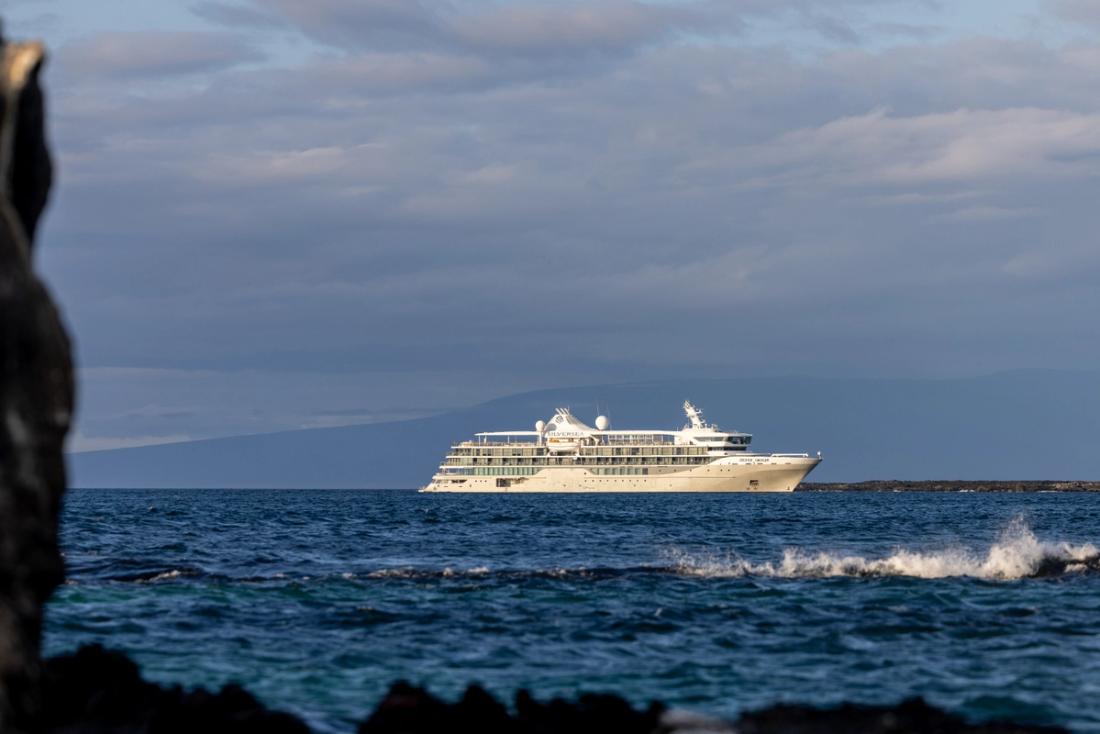
Most of the visitor sites in the Galápagos can only be reached by ship, which is why a cruise is the best way to see the islands. The national park sets every itinerary, caps ships at 100 guests and allows no more than 16 guests per naturalist guide, so every landing feels personal.
Most voyages are seven nights. The ships we recommend most often:
- Silver Origin: 100 guests, all suites, with butler service
- Celebrity Flora: 100 guests, all suites, with the Galápagos park fee included
- Lindblad Expeditions: small ships sailing with National Geographic naturalists
- Ecoventura: 20 guest yachts, the only Relais & Châteaux yachts in the islands
Plan your Galápagos voyage
Galápagos at a glance
The questions our guests ask most, answered.
| When to go | All year. The warm season, from January to May, brings calmer seas and green islands, with turtles nesting in January and February, blue-footed boobies courting in March and waved albatross returning to Española in April. The cooler garúa season, from June to November, brings richer seas, humpback whales from July to September and sea lion pups from August to October. |
|---|---|
| Getting there | Fly from London to Quito, then on to Baltra or San Cristóbal to join your ship. The Foreign Office advises against all but essential travel to Guayas province, which includes Guayaquil, so we route you through Quito and suggest a night or two there to settle in before you sail. |
| Park fees | The Galápagos National Park entry fee is US$200 per adult and the Transit Control Card is US$20, bought before you fly. Some lines include both; we will tell you exactly what your fare covers. |
| Each day | Expect two outings most days, mixing island walks, Zodiac rides and snorkelling, with a briefing from your naturalist every evening. |
| Add on | Quito and the Andes, a lodge in the Amazon or Machu Picchu in Peru all pair well with a week in the islands. |
Fees and inclusions are set by the national park and the cruise lines and can change. We will confirm the latest when we quote.
Antarctica
The White Continent
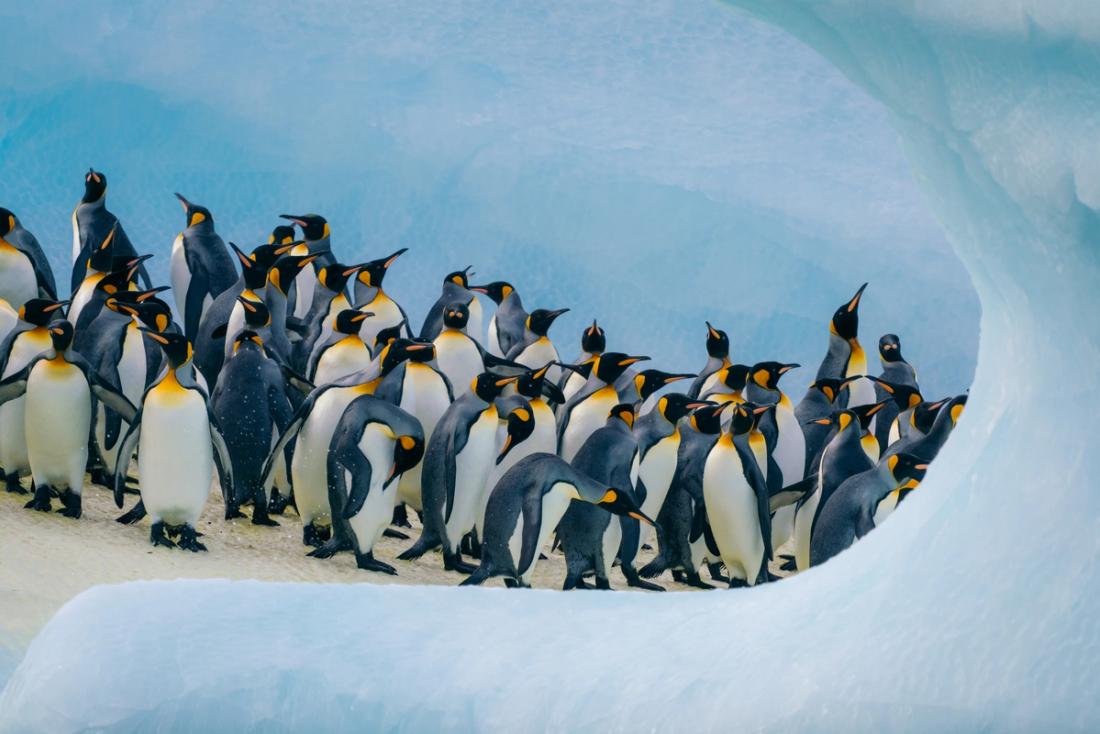
The Antarctic season runs from November to March. Early in the season the snow is pristine and the penguins are courting; December and January bring the longest days and the first chicks; February and March are the best months for whales.
There are two ways to get there. Most voyages sail from Ushuaia in Argentina and cross the Drake Passage, about two days each way. Fly-cruises skip the crossing with a short flight from southern Chile to King George Island, where your ship is waiting.
Visitor numbers are carefully managed, with no more than 100 people ashore at one site at a time. On a smaller ship, that means more of every day on the ice.
The Arctic
Svalbard, Greenland and the far north
The Arctic season is short, from June to September. Svalbard is the place for polar bears, at their best from June to August, while Greenland's fjords and icebergs are at their finest late in the summer.
Since 2025, Svalbard has limited ships in its protected areas to 200 passengers and allowed landings at only 43 approved sites within them, which gives small expedition ships a real advantage.
Some voyages go further still: Ponant's Le Commandant Charcot is a Polar Class 2 icebreaker that can sail to the North Pole.
Choose your ship
The expedition lines we recommend
Every line does expedition cruising differently. These are the ones we know best.
| Silversea | Butler service in every suite on four expedition ships of 100 to 274 guests, from Silver Origin in the Galápagos to Silver Endeavour in Antarctica, including fly-cruises that skip the Drake Passage. |
|---|---|
| Ponant | French style and serious ice capability. Le Commandant Charcot is a Polar Class 2 icebreaker, powered partly by LNG, that reaches the North Pole. |
| Seabourn | Seabourn's all-inclusive style on two 264 guest expedition ships, Seabourn Venture and Seabourn Pursuit, each carrying two submarines. |
| Scenic | Scenic Eclipse I and II are discovery yachts with their own helicopters and submarine; flights and dives cost extra. |
| Lindblad Expeditions | Expedition pioneers sailing with National Geographic. National Geographic Endurance and Resolution carry 138 guests in the polar regions, and small ships sail the Galápagos all year. |
| Celebrity Flora | Galápagos only. A 100 guest all-suite ship built for the islands, which holds its position without dropping anchor to protect the sea bed. |
| Polar specialists | Quark Expeditions, whose Ultramarine carries helicopters; Aurora Expeditions, with wave-piercing X-BOW ships; and Atlas Ocean Voyages, with fly-cruises to Antarctica. |
Ships and inclusions change. We will confirm everything for your sailing when we quote.